
Community-driven research on marine harvested and farmed species
Interface of Change is the sixth phase of Alaska NSF EPSCoR. A $20-million award from the National Science Foundation funds this statewide, five-year project to build capacity for co-developed, use-inspired research across the Gulf of Alaska.
Resilience in the Gulf of Alaska
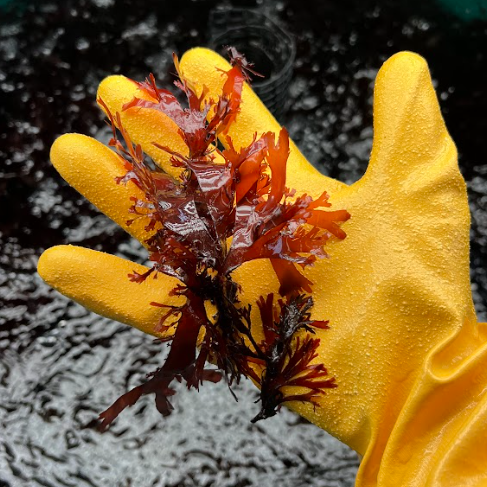
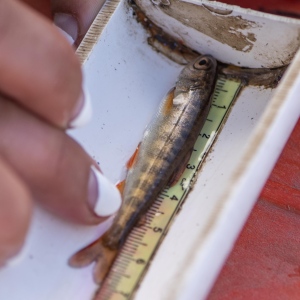
Interface of Change centers partnerships between researchers, Gulf of Alaska community members, Tribes, educators, and entrepreneurs. Through these connections, project participants work collaboratively to investigate the resilience of marine species that are critical to the subsistence way of life as well as developments in the mariculture economy in the Gulf of Alaska.
Partnering with Gulf of Alaska coastal communities
Interface of Change brings together researchers from the University of Alaska Anchorage, University of Alaska Fairbanks, and the University of Alaska Southeast in partnership with Gulf of Alaska community members from Seldovia, Homer, Cordova, Valdez, Juneau, Haines, and Klukwan.
We're looking for people who hold an interest in coastal ecologies, food security, and developing economies in this region to get involved in the Interface of Change project. We offer opportunities to provide feedback on our work, funding, and we invite collaboration. We welcome you to reach out if you are interested in partnering with us.
Research Areas
Southeast Alaska
Haines and Klukwan

Northern Gulf of Alaska and Prince William Sound
Kachemak Bay and Cordova

Northern Gulf of Alaska
Seldovia and Homer
Gulf-wide
Candidate study watersheds include the Chilkat River, Copper River, Taku River, Auke Creek, and Berners River

Gulf-wide
Homer, Seldovia, Seldovia Village, Valdez, Cordova, Haines, Klukwan
Project News
Oct 06
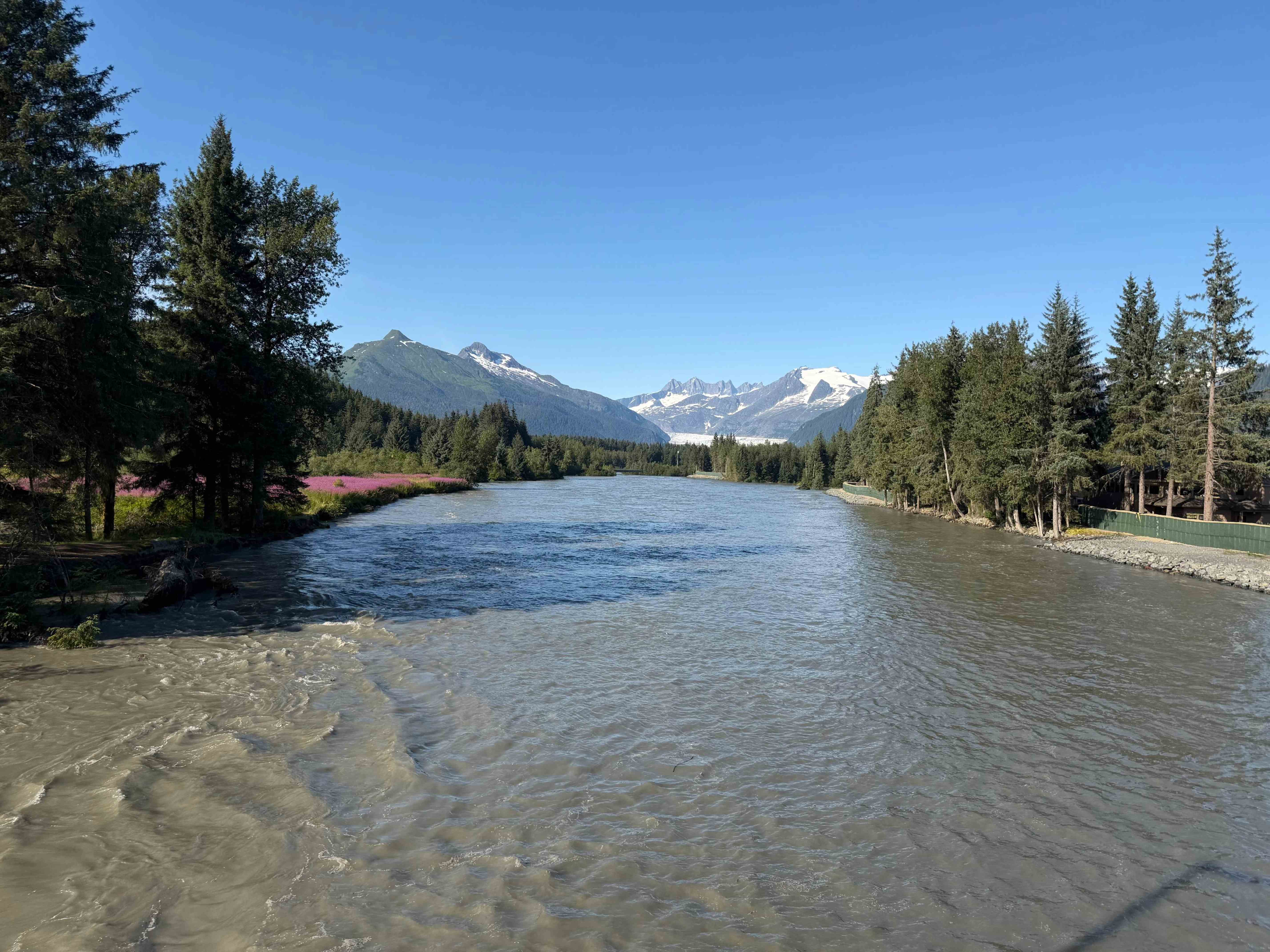
Some researchers who study the impacts of the Mendenhall glacier lake outburst flood, or GLOF, face a conundrum every year: they most need to access the water when the water is most difficult to access.
Aug 21
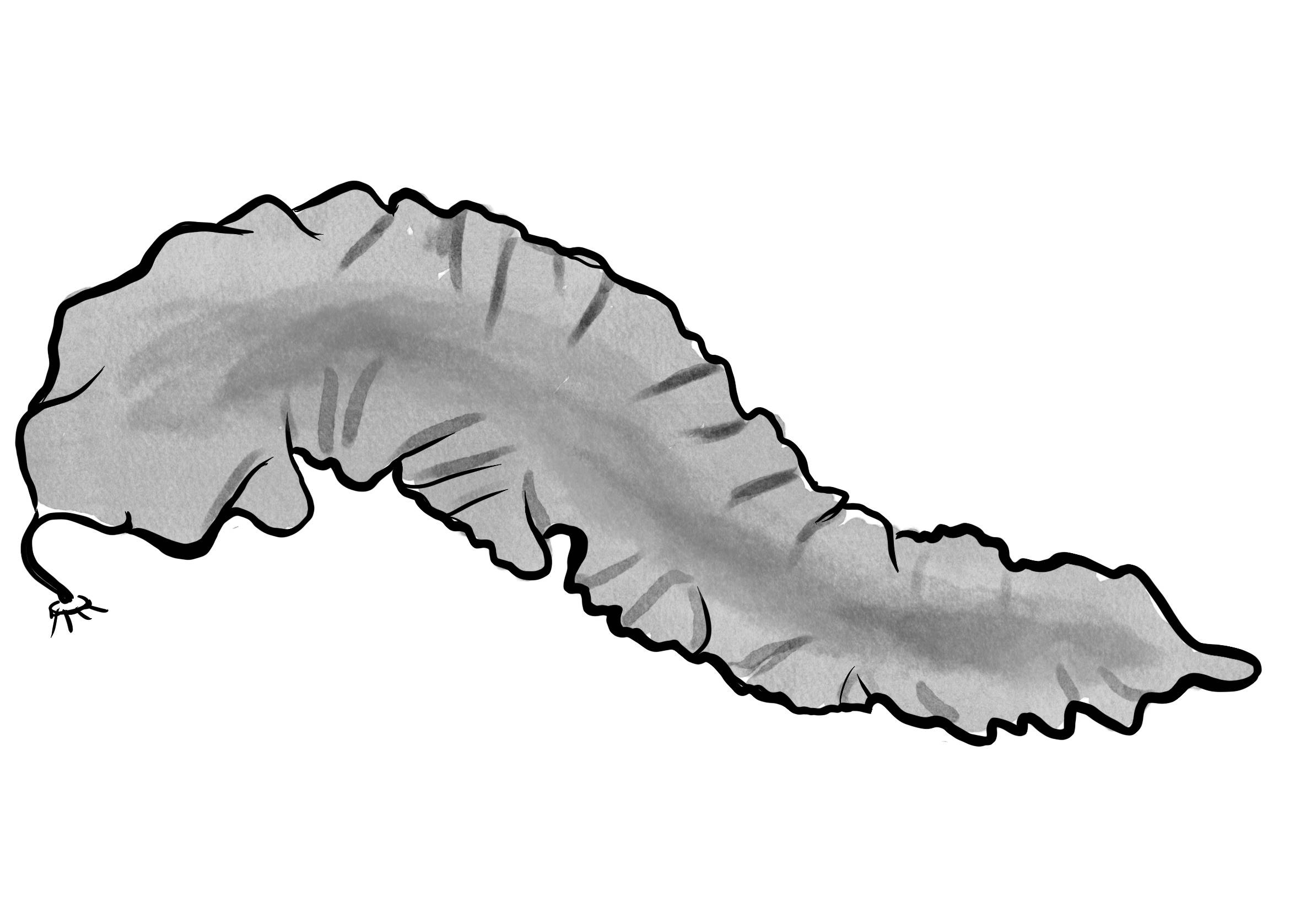
Cross-functional collaboration is at the heart of Alaska EPSCoR’s work. And a project completed this summer by EPSCoR-funded students is an example of just how far those connections reach.
Apr 18
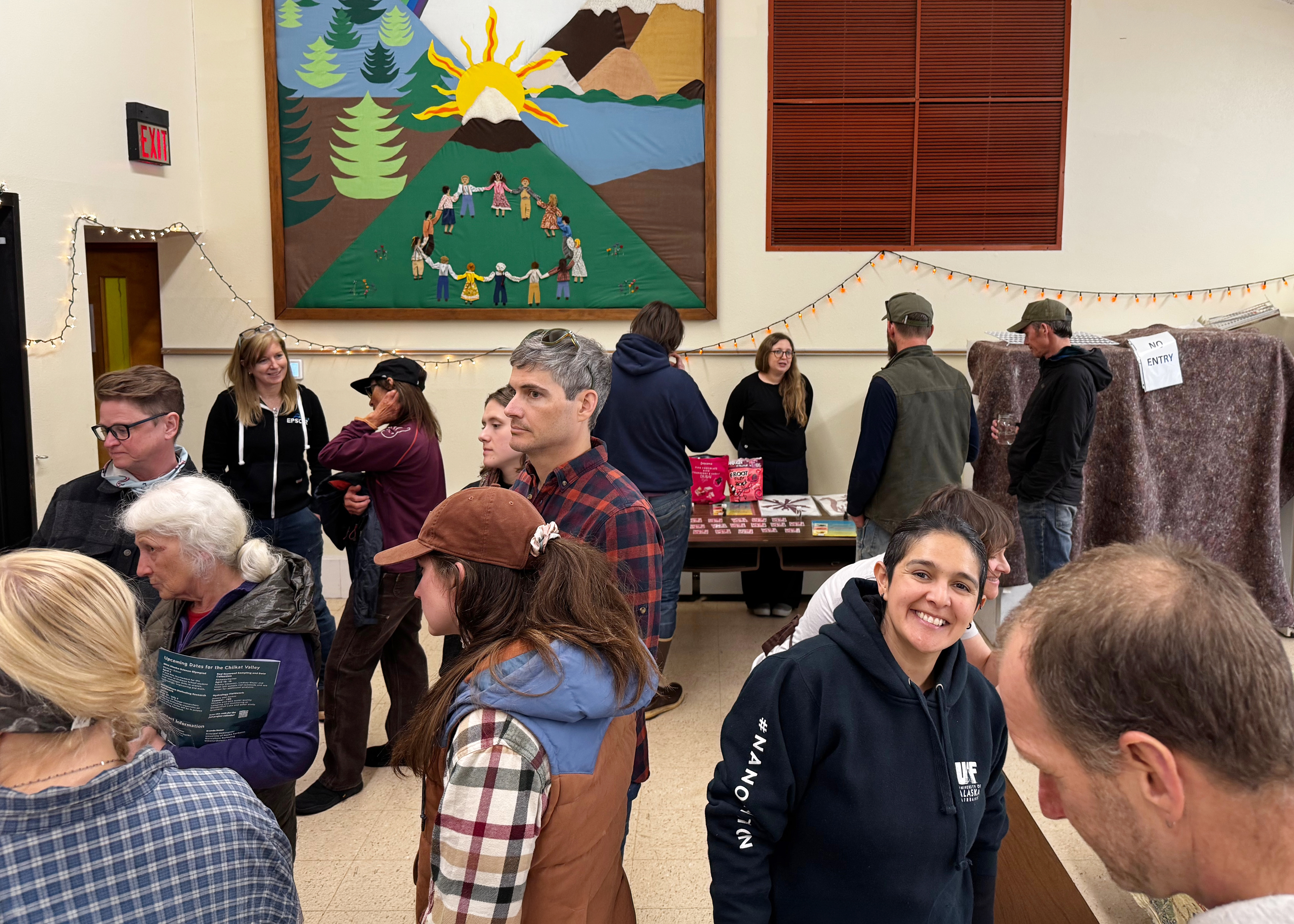
Alaska EPSCoR traveled to the Chilkat Valley and Seldovia this month to host annual community participatory workshops for the Interface of Change project as well as mini Science Olympiad events in the local schools.
Publications
Mucioki, M., Powell, B., Aderman, H., Smithwick, E. A. H., Holen, D., Hamilton, C., & Chi, G. (2025). Mindfulness, gratitude and sharing are central to berry harvesting practice, sustainability and adaptation in rural Alaska. Ecosystems and People, 21(1), 2559671. https://doi.org/10.1080/26395916.2025.2559671
Hood, E., & Hawkings, J. R. (2025). Glacier biogeochemical cycling and downstream impacts. Nature Reviews Earth & Environment, 6(2), 114–130. https://doi.org/10.1038/s43017-025-00751-1
Schoen, E. R., Baltensperger, A., Brown, D. R. N., Fellman, J. B., Strohm, D., & Schwoerer, T. (2026). Flexing machine learning muscle: Predicting lake calcium to prioritize invasive mussel monitoring in Alaska. Hydrobiologia. https://doi.org/10.1007/s10750-026-06127-w
Mucioki, M., Baumflek, M., Greenlaw, S., Aderman, H., McCovey, K., Sowerwine, J., Lake, F., Holen, D., Sarna-Wojcicki, D., & Powell, B. (2026). Centering care as part of Indigenous environmental stewardship: Collective learning through cultural plants. People and Nature. https://doi.org/10.1002/pan3.70293
Holt, A. D., Fellman, J. B., Spencer, R. G. M., Whitney, E. J., Flypaa, C., D’Amore, D. V., & Hood, E. (2026). Glacier retreat amplifies interannual variability in watershed runoff, organic carbon and nutrient yields. Geophysical Research Letters, 53, e2025GL119026. https://doi.org/10.1029/2025GL119026
EPSCoR Opportunities for Alaskans - click to learn more!