Did you know a Faculty Initiative Fund grant helped create a new international learning opportunity for rural Alaska health students?
Rebecca Lawhorne
ralawhorne@alaska.edu
September 12, 2026
Why it matters
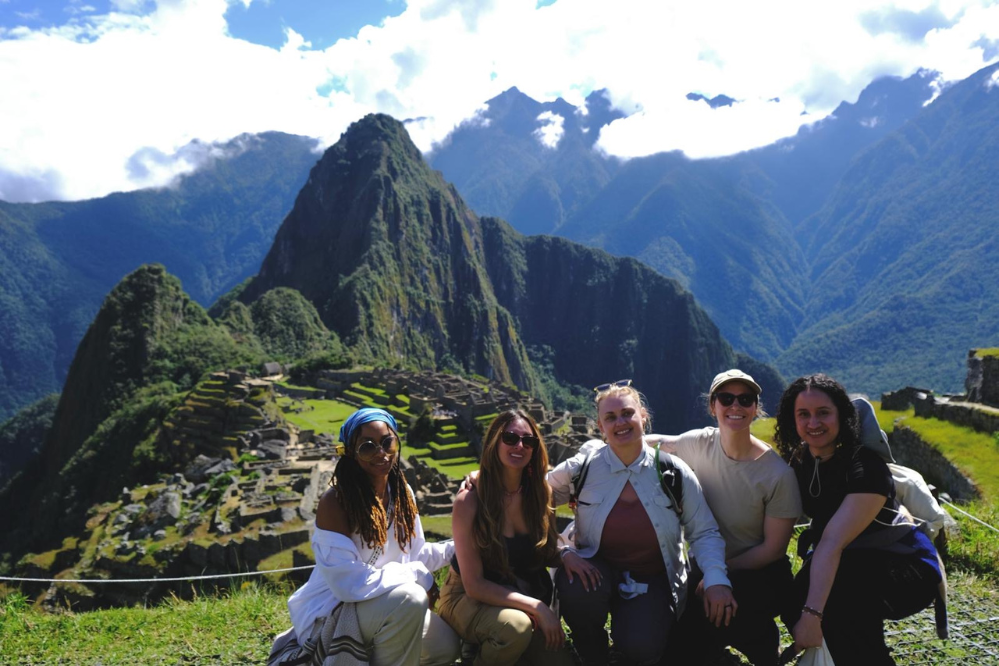
A collaboration between two University of Alaska staff led to an innovative new approach to engaging rural health students. A two-week immersion in Peru gave future healthcare providers opportunities to explore rural healthcare challenges through a different cultural lens, while simultaneously supporting workforce development in Alaska.
The challenge
The Alaska Area Health Education Centers (AHEC) Scholars Program, housed within UAA's Alaska Center for Rural Health and Health Workforce, is a workforce development program that helps prepare students for careers serving rural and underserved communities.
Students receive specialized training in areas such as behavioral health, cultural foundations and social determinants of health, along with community-based experiential learning opportunities.
But program leaders are up against a unique challenge: students from rural Alaska communities have less incentive to participate in rural immersion experiences.
The opportunity
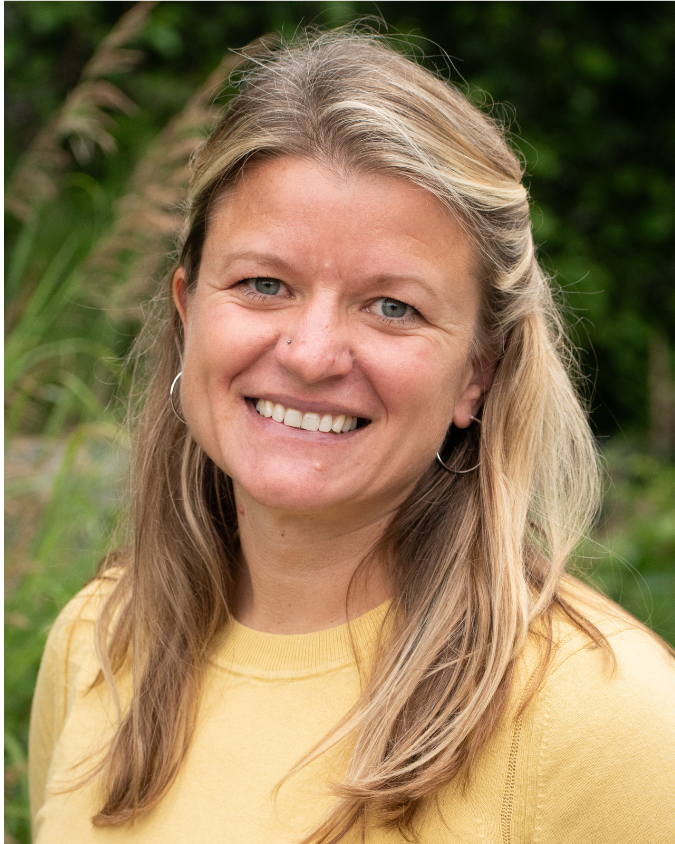
Keri Baker, a nurse practitioner, UAA nursing faculty member and co-founder of Sacred Valley Health in Peru, has been exploring ways to connect students with other rural communities outside Alaska.
Through her work in both Peru and Alaska, Baker saw similarities in challenges such as healthcare access, geographic isolation, cross-cultural communication, and food security.
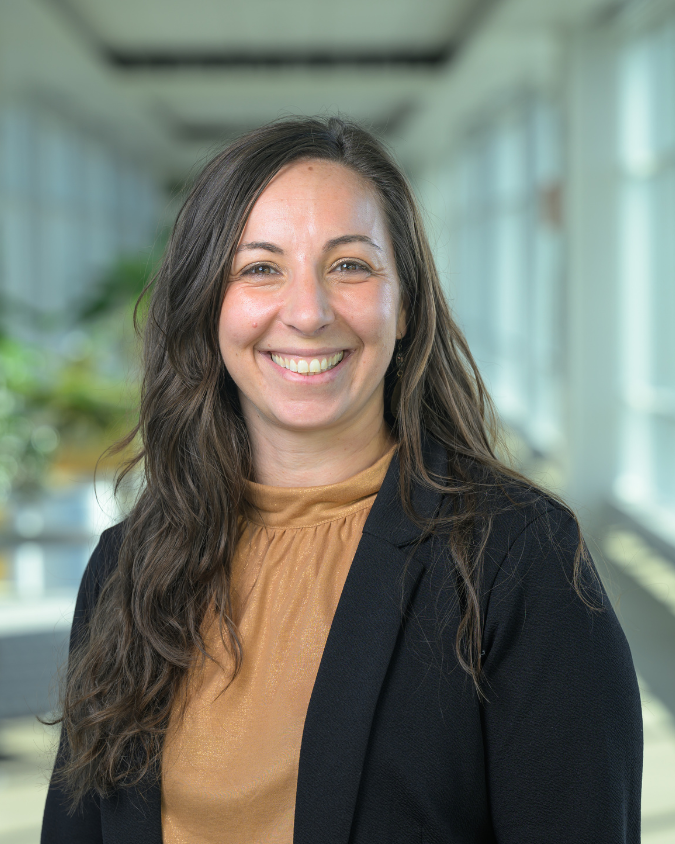
A mutual University of Alaska connection put Baker in touch with Gloria Burnett, Director of UAA’s Alaska Center for Rural Health and Health Workforce, and the two saw an opportunity to create a unique learning experience for students and provide a cross-cultural opportunity for rural students unlike anything currently available at the university.
The innovation
Supported by a University of Alaska Faculty Initiative Fund grant, Baker and Burnett launched a two-week-long pilot immersion experience to Peru in May 2026.
The Faculty Initiative Fund supports innovative projects that advance the university's mission and encourage collaboration across disciplines and campuses.
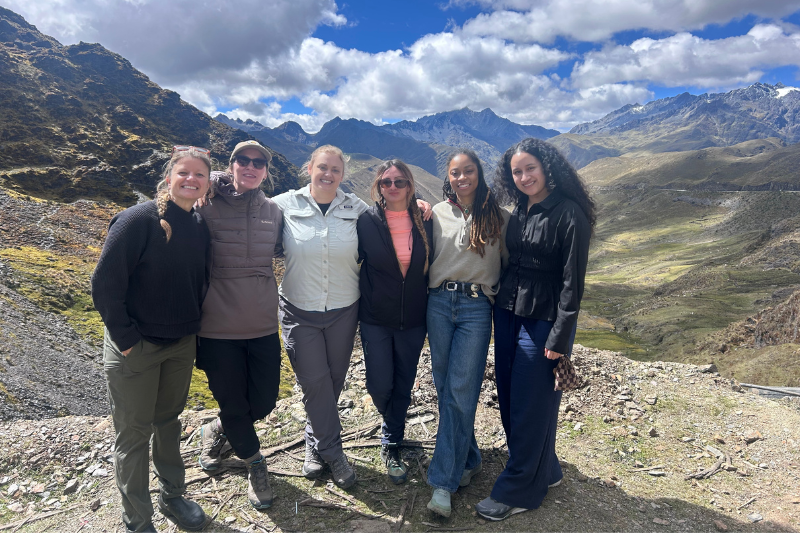
The pilot brought five students to Peru. Guided by Baker, they met with local nonprofits, healthcare facilities and rural villages in a combination of classroom
learning, cultural exchange, and field exercises. Students were required to identify a health issue relevant to their own communities, explore how that issue appeared in Peru and develop a scholarly poster project based on their findings.
The experience was intentionally designed for students already living or studying in rural Alaska communities and helped recruit new students into the AHEC Scholars Program.
What students learned
Among the participants was Serenalia Iona, a senior nursing student in UAA's Juneau cohort who was born and raised in Samoa.
In her immersion project, Iona explored how traditional foods and community-based nutrition strategies can improve health outcomes in rural communities, comparing lessons from Alaska and Peru. Her research examined how both regions are navigating challenges related to food insecurity, geographic isolation, changing diets and access to healthcare while also attempting to incorporate and honor the traditional food systems and cultural knowledge.
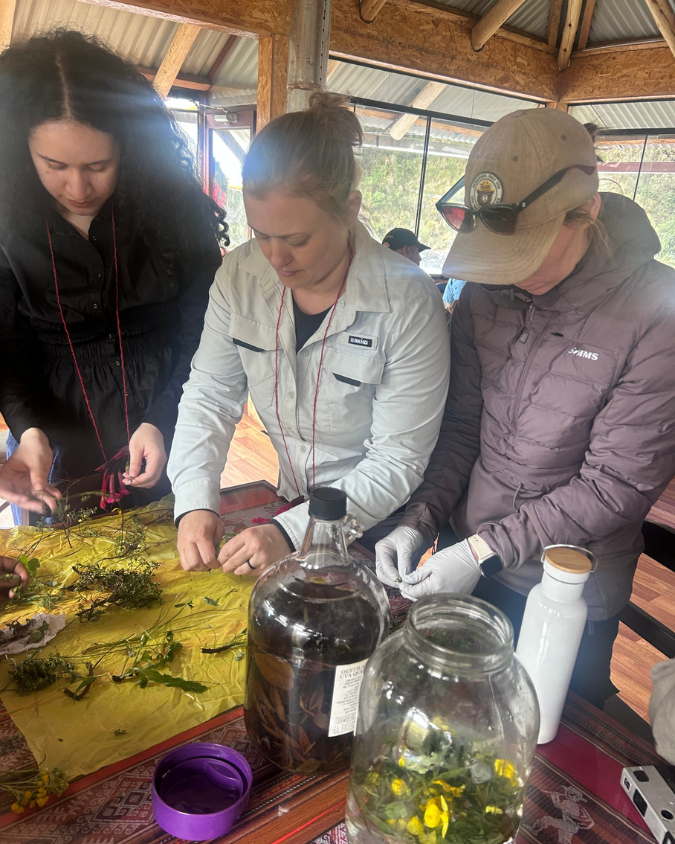
"I found that I learned just as much, if not more, by engaging with communities in their villages, gathering medicinal herbs from the mountains, learning to spin and weave from the resilient women of Huilloc, sharing meals with the people of Patacancha, partaking in promotora training sessions in Ollantaytambo, and so much more," Iona said.
The experience also reinforced similarities between remote communities around the world.
"Both face challenges with access to healthcare and resources due to geographic isolation and rugged terrain," she said.
Learning through community
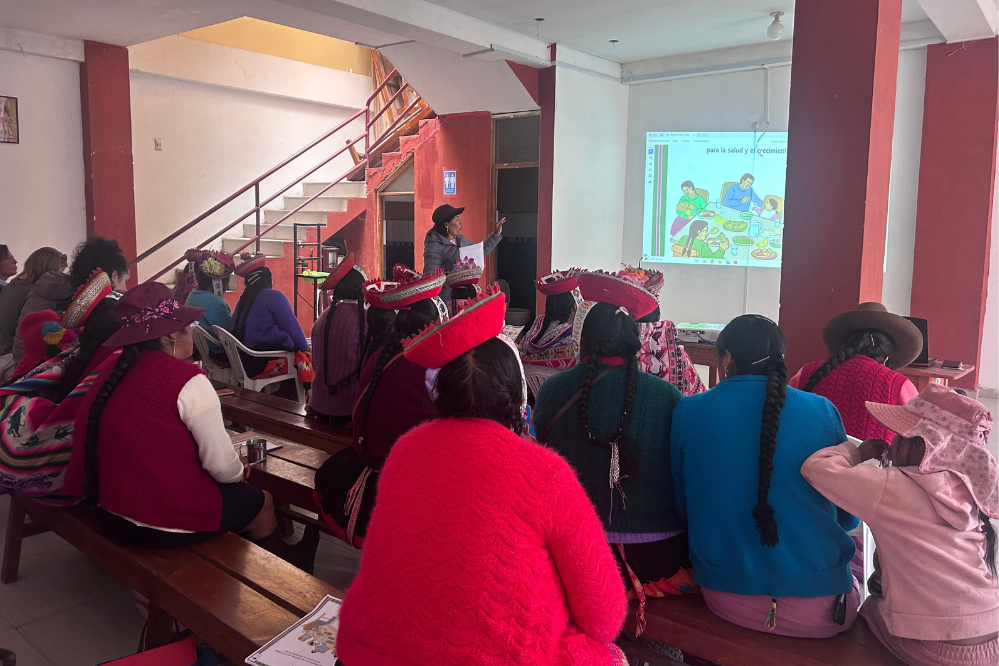
One of the key lessons centered on the role of promotoras, community health workers who are trained and then return to serve their own communities.
"It reinforced for me that trust is essential to effective healthcare," Iona said.
For Baker, that focus on community knowledge was intentional.
Students were not sent to Peru to teach.
"We're here as guests. We're here to learn," Baker said.
What's next
The pilot filled all available seats and successfully recruited new AHEC Scholars.
Baker hopes to present the students' completed projects at the next national AHEC conference.
Now Burnett and Baker are exploring ways to sustain and expand the model, including a potential fee-based structure and, eventually, the development of an interdisciplinary College of Health course.
The success of the pilot has also sparked conversations about future partnerships. Burnett said discussions have included possible collaborations with AHEC partners in Hawaii, opportunities connected to the Circumpolar North and conversations with contacts in Australia and New Zealand.
For Baker and Burnett, the collaboration's success is encouraging. They hope similar opportunities are out there: new partnerships, new locations and new investment in faculty and staff-led ideas that seek innovative ways to tackle Alaska’s challenges head-on.
As Baker puts it, "You can find really incredible solutions by stepping out of our comfort zone and realizing that sometimes there are different ways we can do things to solve problems."
Go Deeper
Rural Alaska to rural Peru: UAA students gain a global perspective on healthcare